"Unity in diversity"
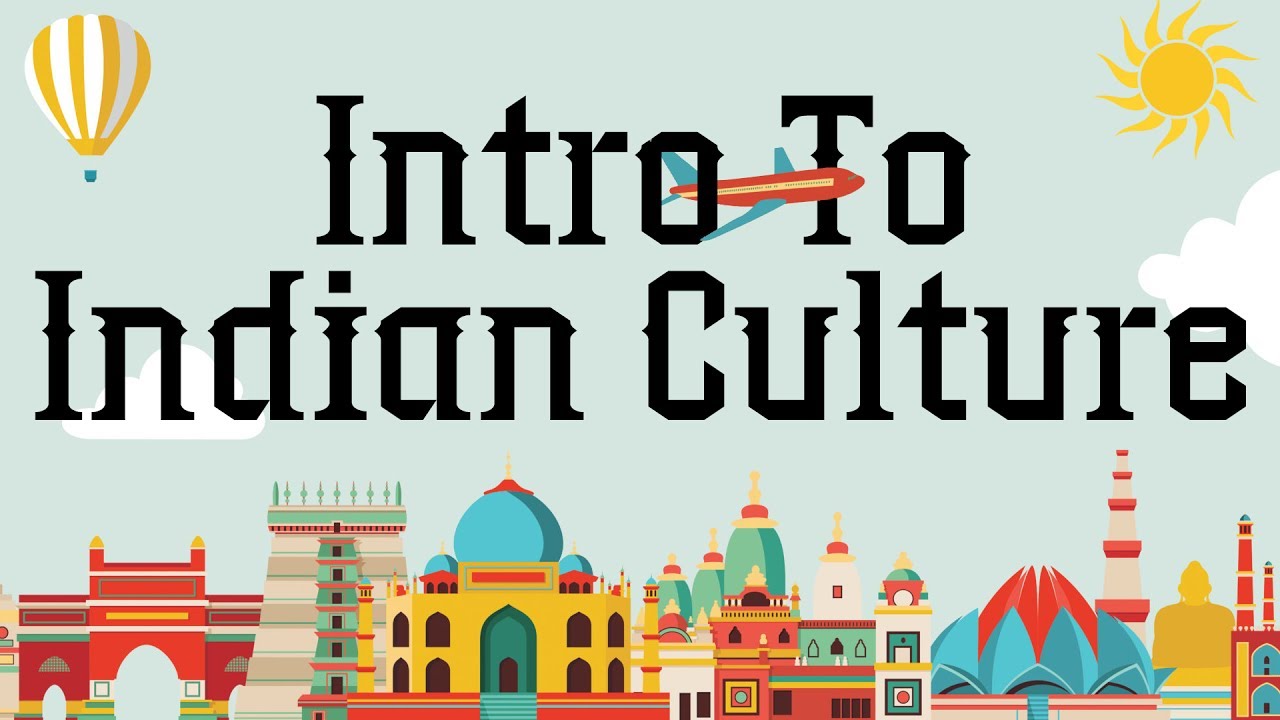
These words are highly applicable to a country, such as India, that is incredibly rich in culture and heritage. Indian civilization began around 4,500 years ago. India's culture is one of the oldest in the world. Many significant advantages have been made in India such as architecture, mathematics, and medicine. Indians also invented surgery, the number zero, shampoo, ink, the USB device, and chess. The country of India is very diverse with 1.2 billion people. India is the second most populated nation after China. There are many different regions with different cultures in Indian. The Indian culture is seen as unique and diverse.
 Indian Customs:
Namaste
The namaste is one of the most popular Indian customs and isn’t really just restricted to the Indian territory anymore.
Religious Symbols
The Indian traditions and scriptures contain various signs and symbols which have various meanings.
Festive Seasons
India also sees a large number of festivals, mainly because of the prevalence of diverse religions and groups.
Joint Families
The concept of a joint family, where the entire family (parents, wife, children and in some cases relatives) all live together.
Ethnic Wear
Indian women are often seen wearing saris, or chainyacholis also called ghagra cholis. Indian men are seen wearing ‘Kurta-Pyjama’, and the ceremonial wear of ‘Sherwani’.
Indian Dances
Different forms of dance find origin from different parts of the country, and they are a way of representation of the particular culture from which they originate.
Arranged Marriage System
The concept of arranged marriage in India traces its origin to as early as the Vedic times.
Fasting
Fasting is an integral part of Hindu culture. Fasts or Vrats or Upvas are a way to represent your sincerity and resolve, or express your gratitude to the Gods and Goddesses.
Indian Food
Indian food and cuisine not only form an integral part of Indian culture but are also one of the key factors of India’s popularity worldwide.
Cows
The cow is considered a Holy animal in India. She is sacred for the life sustaining milk that she provides. Killing and eating cow related foods are considered a sin in India.
These words are highly applicable to a country, such as India, that is incredibly rich in culture and heritage. Indian civilization began around 4,500 years ago. India's culture is one of the oldest in the world. Many significant advantages have been made in India such as architecture, mathematics, and medicine. Indians also invented surgery, the number zero, shampoo, ink, the USB device, and chess. The country of India is very diverse with 1.2 billion people. India is the second most populated nation after China. There are many different regions with different cultures in Indian. The Indian culture is seen as unique and diverse.
Namaste
The namaste is one of the most popular Indian customs and isn’t really just restricted to the Indian territory anymore.
Religious Symbols
The Indian traditions and scriptures contain various signs and symbols which have various meanings.
Festive Seasons
India also sees a large number of festivals, mainly because of the prevalence of diverse religions and groups.
Joint Families
The concept of a joint family, where the entire family (parents, wife, children and in some cases relatives) all live together.
Ethnic Wear
Indian women are often seen wearing saris, or chainyacholis also called ghagra cholis. Indian men are seen wearing ‘Kurta-Pyjama’, and the ceremonial wear of ‘Sherwani’.
Indian Dances
Different forms of dance find origin from different parts of the country, and they are a way of representation of the particular culture from which they originate.
Arranged Marriage System
The concept of arranged marriage in India traces its origin to as early as the Vedic times.
Fasting
Fasting is an integral part of Hindu culture. Fasts or Vrats or Upvas are a way to represent your sincerity and resolve, or express your gratitude to the Gods and Goddesses.
Indian Food
Indian food and cuisine not only form an integral part of Indian culture but are also one of the key factors of India’s popularity worldwide.
Cows
The cow is considered a Holy animal in India. She is sacred for the life sustaining milk that she provides. Killing and eating cow related foods are considered a sin in India.

No comments:
Post a Comment